More Inventors in the Family

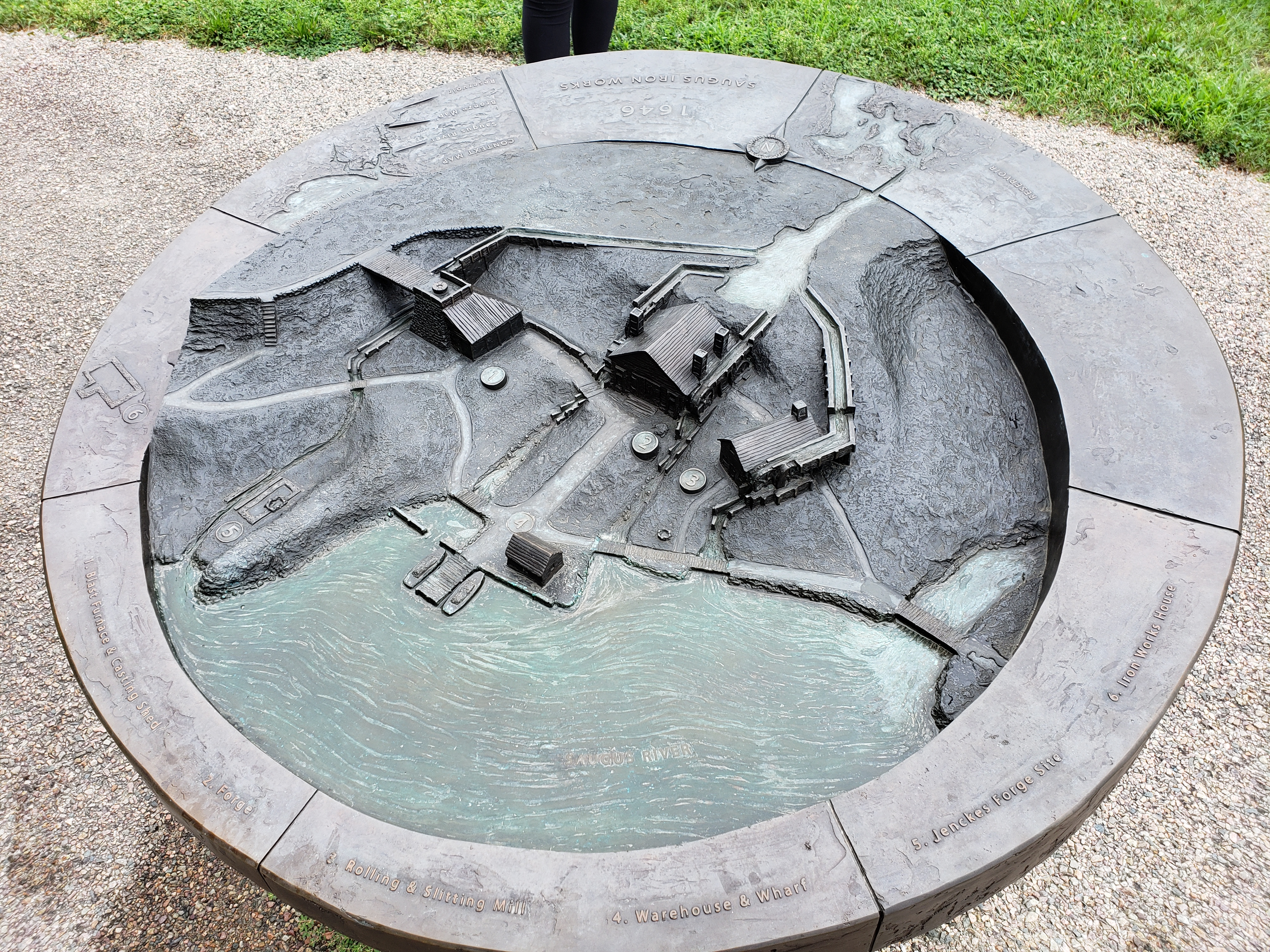
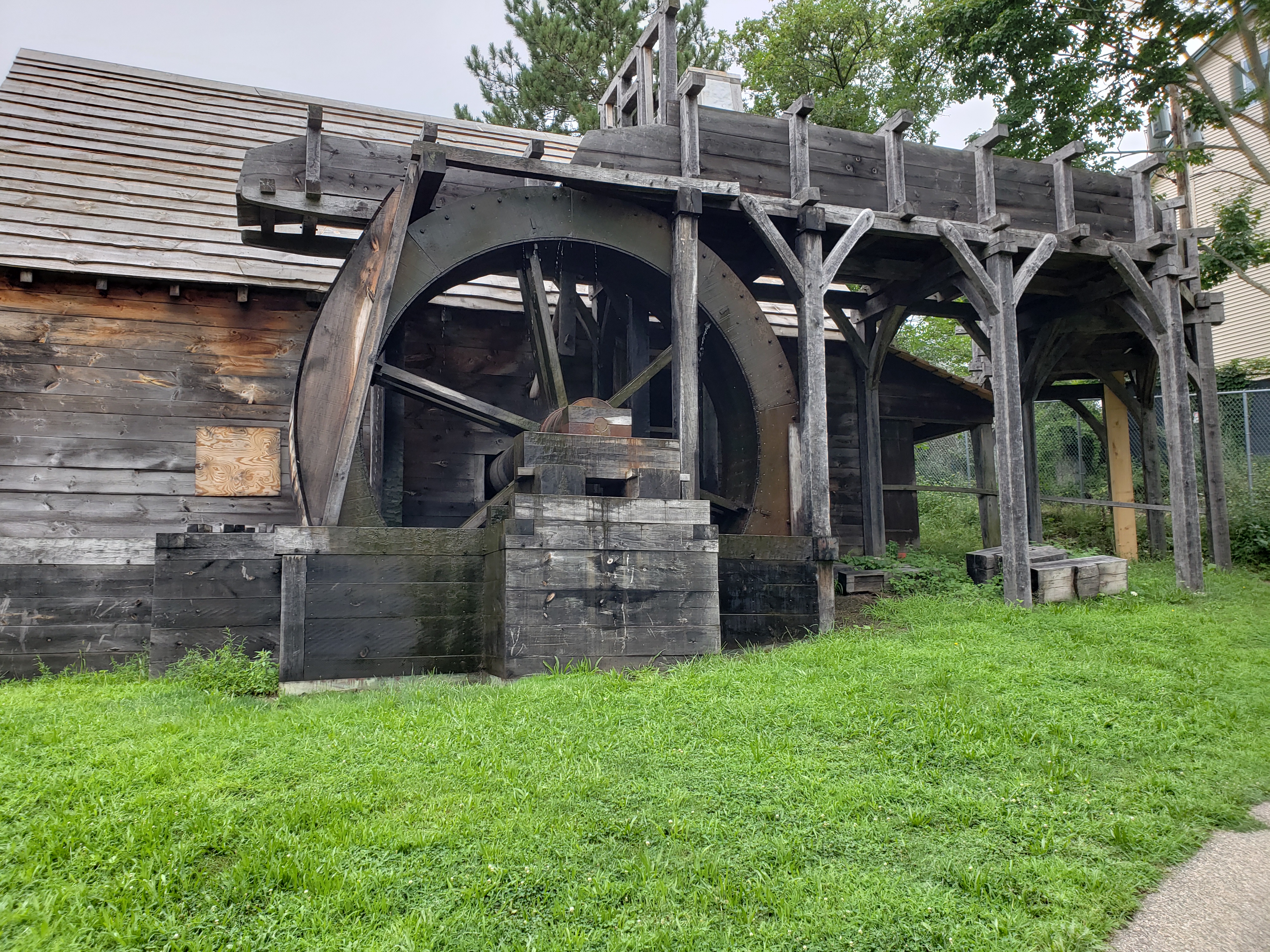
The Saugus Iron Works, National Historic Site.

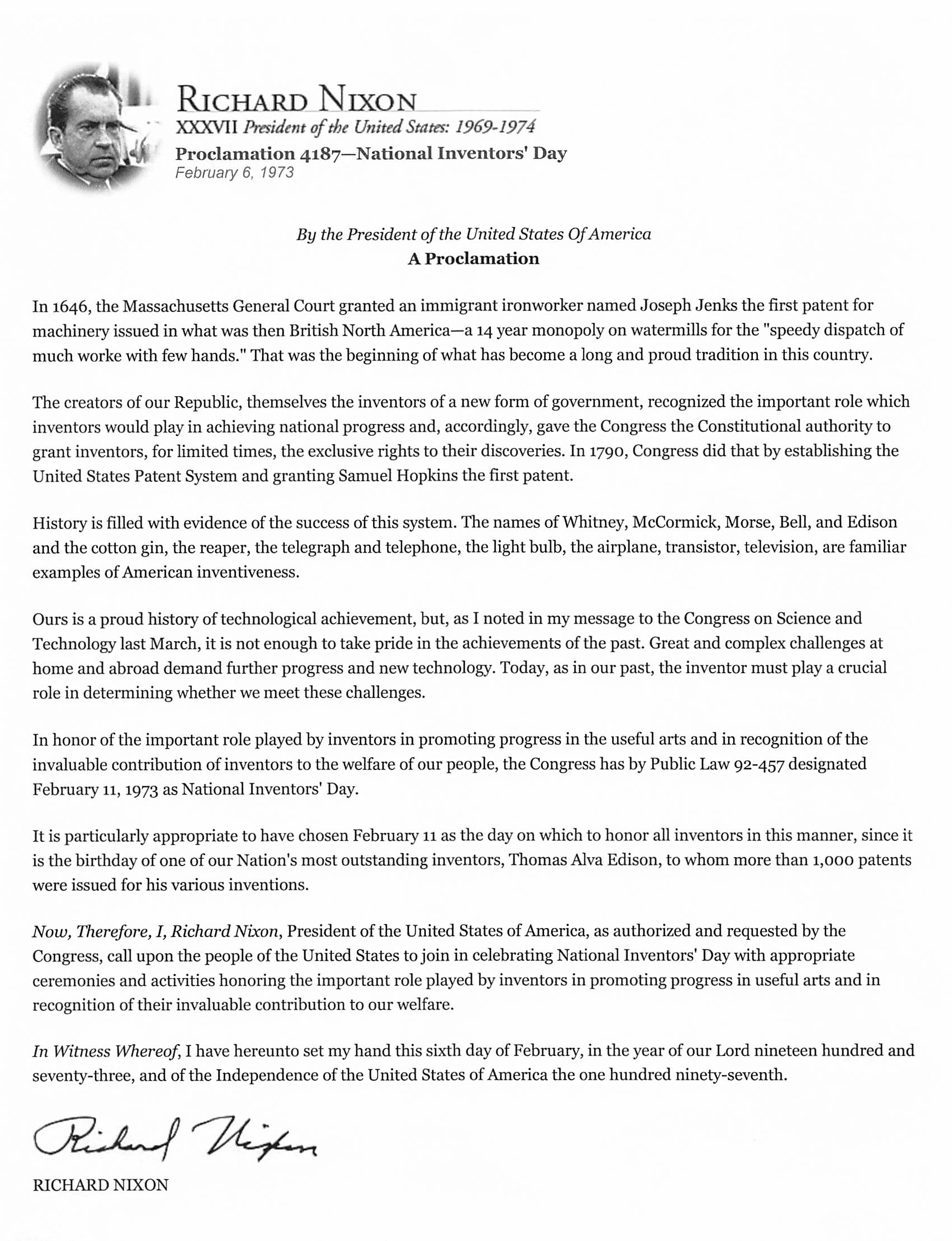
My 9th great grandfather, Joseph Jencks [Jenks], famed for his skill in working in brass and iron in England, and was brought to the Colonies by Governor Winthrop, the younger, to establish an iron works here in 1635. Specimens of the bog-iron, found in the swamps of Saugus, Massachusetts, had been taken to England and analyzed, and a company called the “Company of Undertakers for the Iron Works” formed to develop these natural resources. Joseph Jenks came to superintend the construction of buildings for the industry and became the first worker in iron and brass in the colonies. The iron works, under his competent tutelage, developed rapidly and supplied many of the domestic implements used by the neighboring settlers. He was an inventor as well as an expert craftsman, and made the molds and castings for many new tools and machines with his own hands. In 1646, he obtained a patent for an improved type of waterwheel. This was the first patent granted in this country.
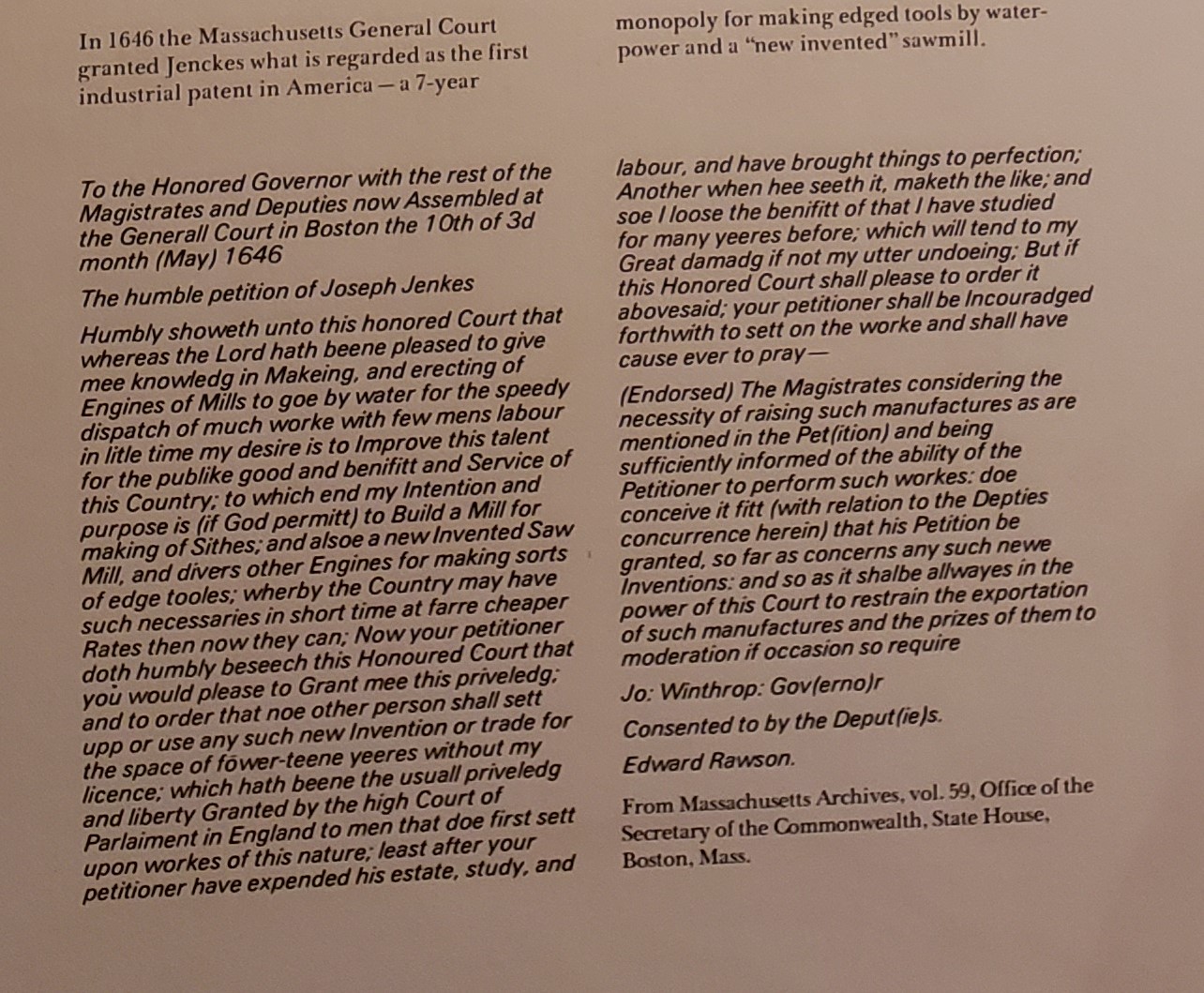
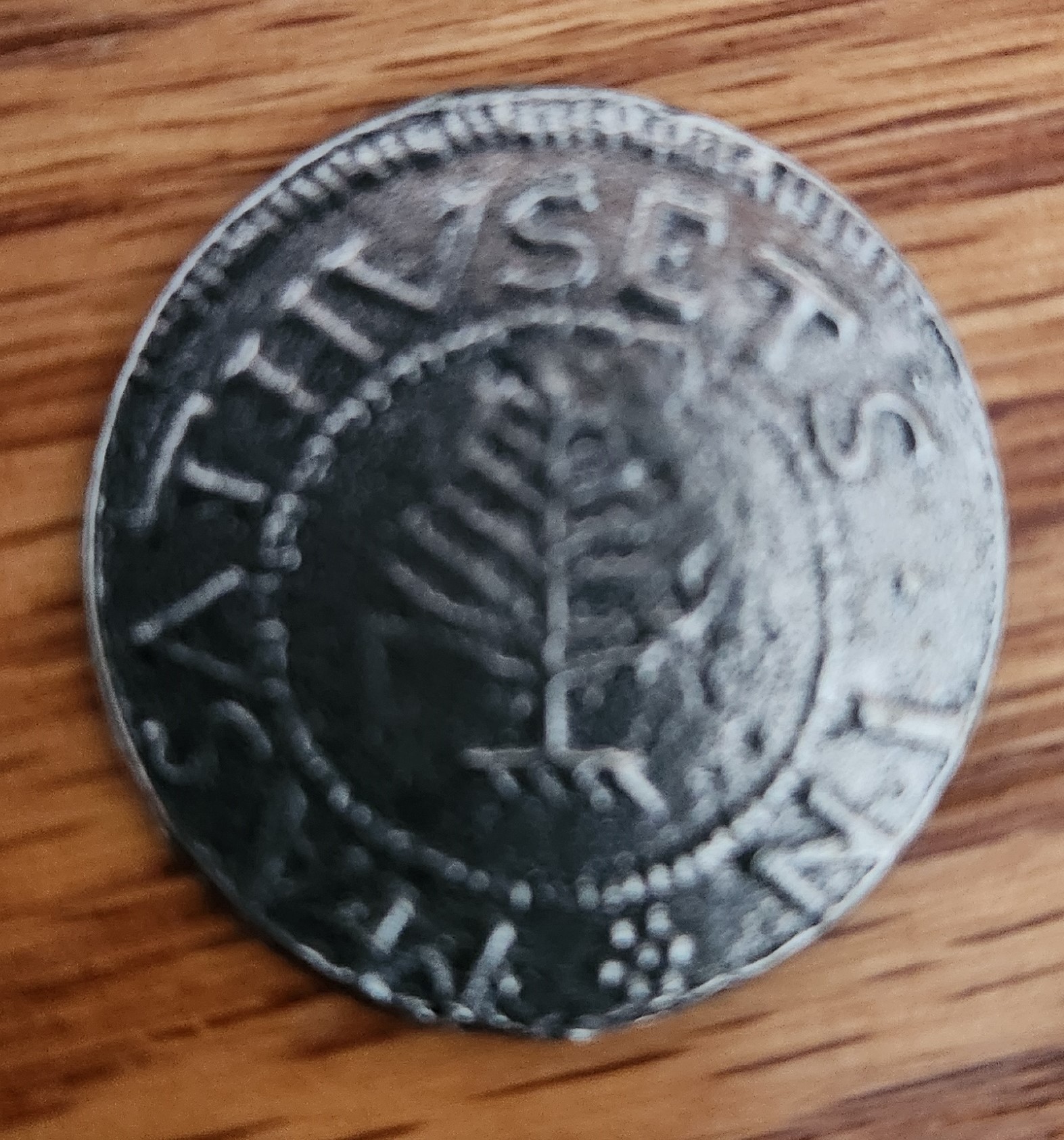
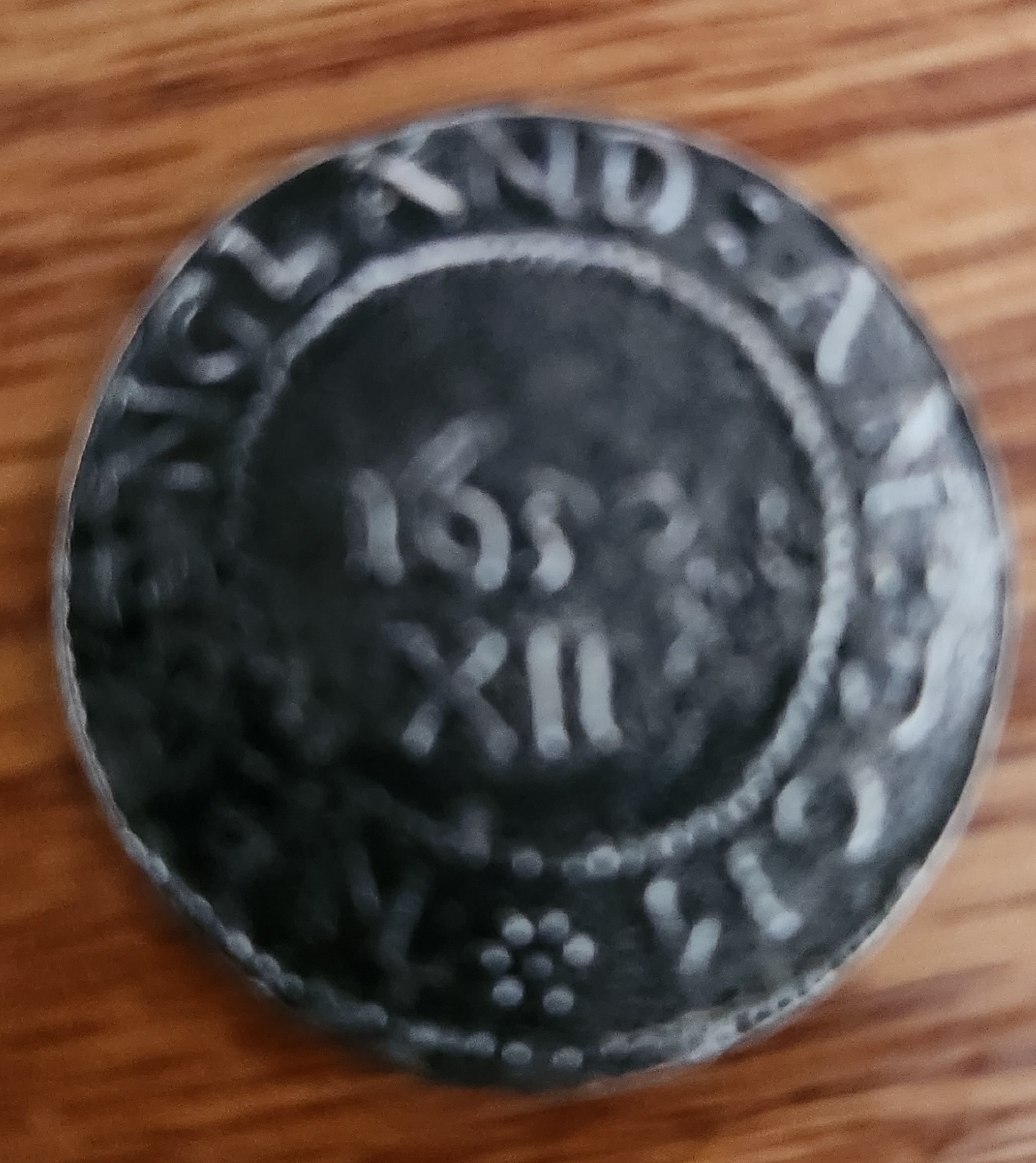
Five years after he had arrived in New England, he set up his own shop and forge near the iron works and started to specialize in the manufacture of scythes and other tools requiring a fine edge and temper. It was he who made the dies for the famous “Pine Tree” shillings.
While he had been making a success of the iron works in New England, his two sons Joseph and William, had been living with their grand-parents in England, for his wife had died. The older of these two boys, Joseph [my 8th great grandfather], who was born in 1632, in Colebrook, just outside of London, came to join his father in the new world in 1647. He worked in his father’s foundry inasmuch as he had a natural aptitude for the craft.
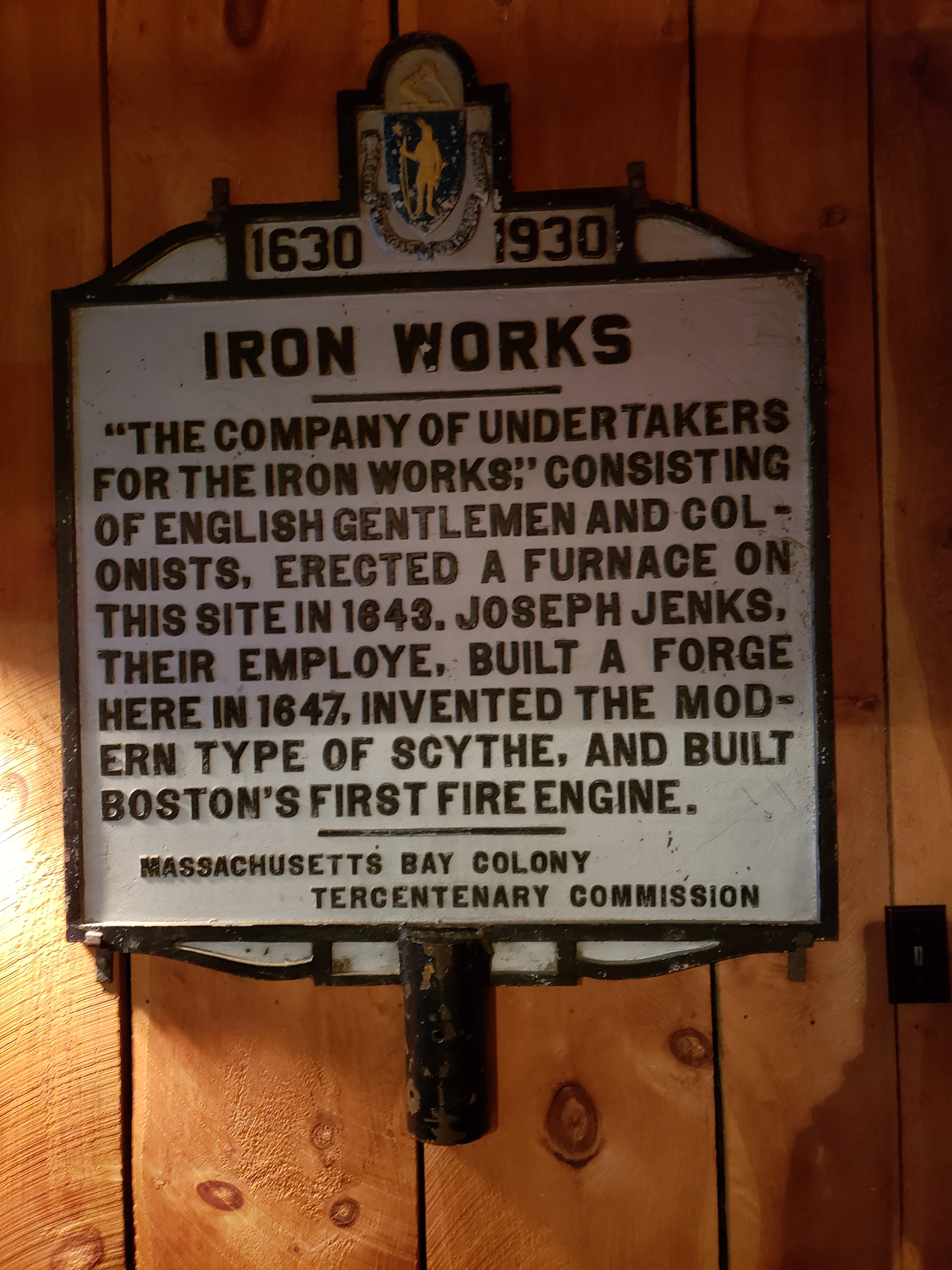
One of his achievements alone entitle Joseph, the elder, to fame, the invention of the Scythe. Before his day all the grain in the world was cut by the little hand sickle. No ironworker or farmer had thought of any quicker way. Why not make the blade straight and twice as long and swing it with a two handed handle? This was the question asked and answered by Joseph Jenks, simple enough perhaps, but since the first blade of wheat was grown no one had suggested such and idea before.
In about 1668, Joseph, the younger, married Esther Ballard, of Lynn, Massachusetts, and in the following year he went south to the Colony of Rhode Island taking his young family with him. Rumor is that Grandmother Esther Ballard Jenks was fond of wearing silver lace, the Puritans were not fond of anyone wearing silver lace. Grandmother was taken to court and fined for the sin of silver lace. The family moved to the more enlightened Rhode Island.

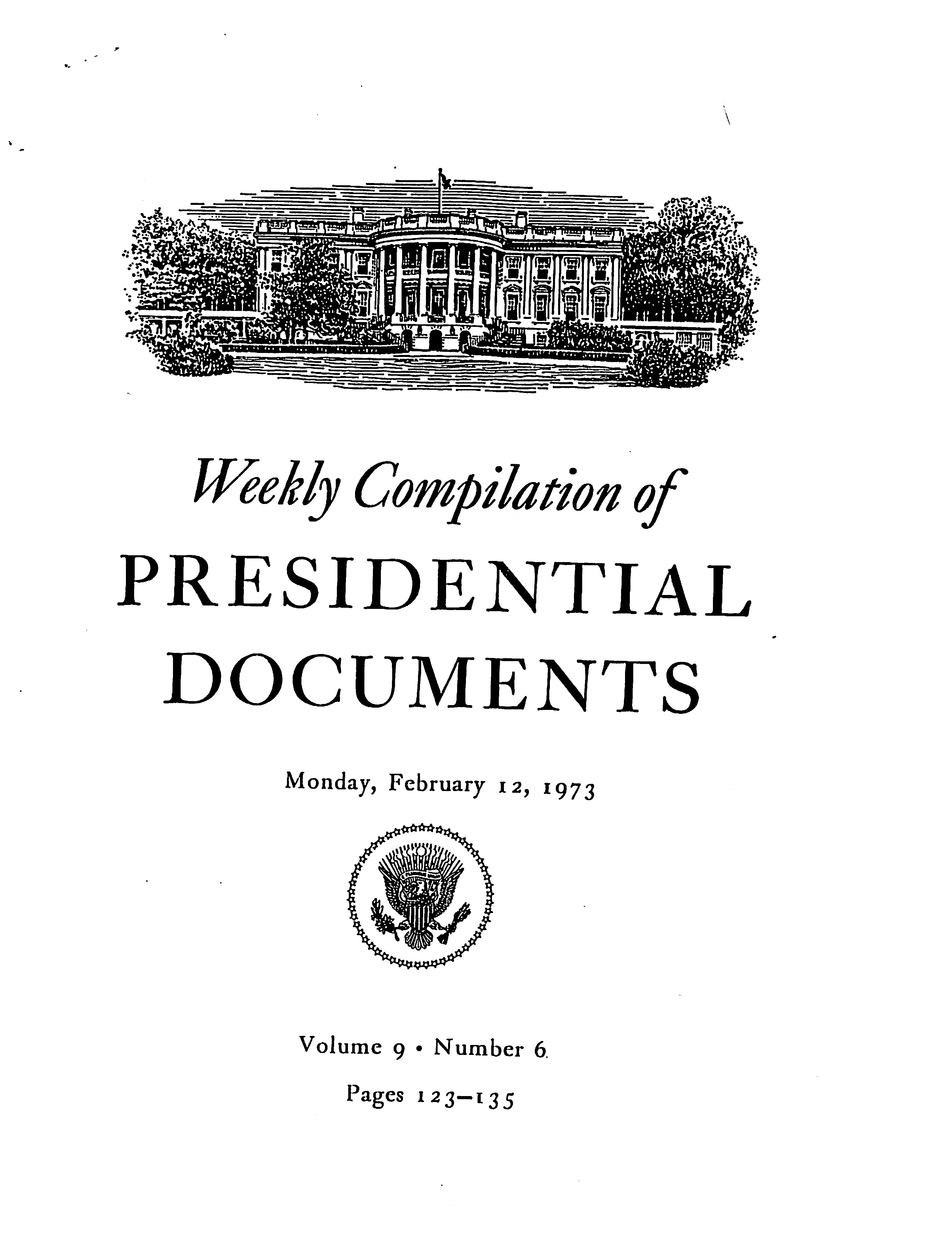
February 6, 1973, was declared National Inventors Day in a Presidential Proclamation

Posted in Uncategorized | Tagged , , , | Leave a comment

Improvement – a family trait?

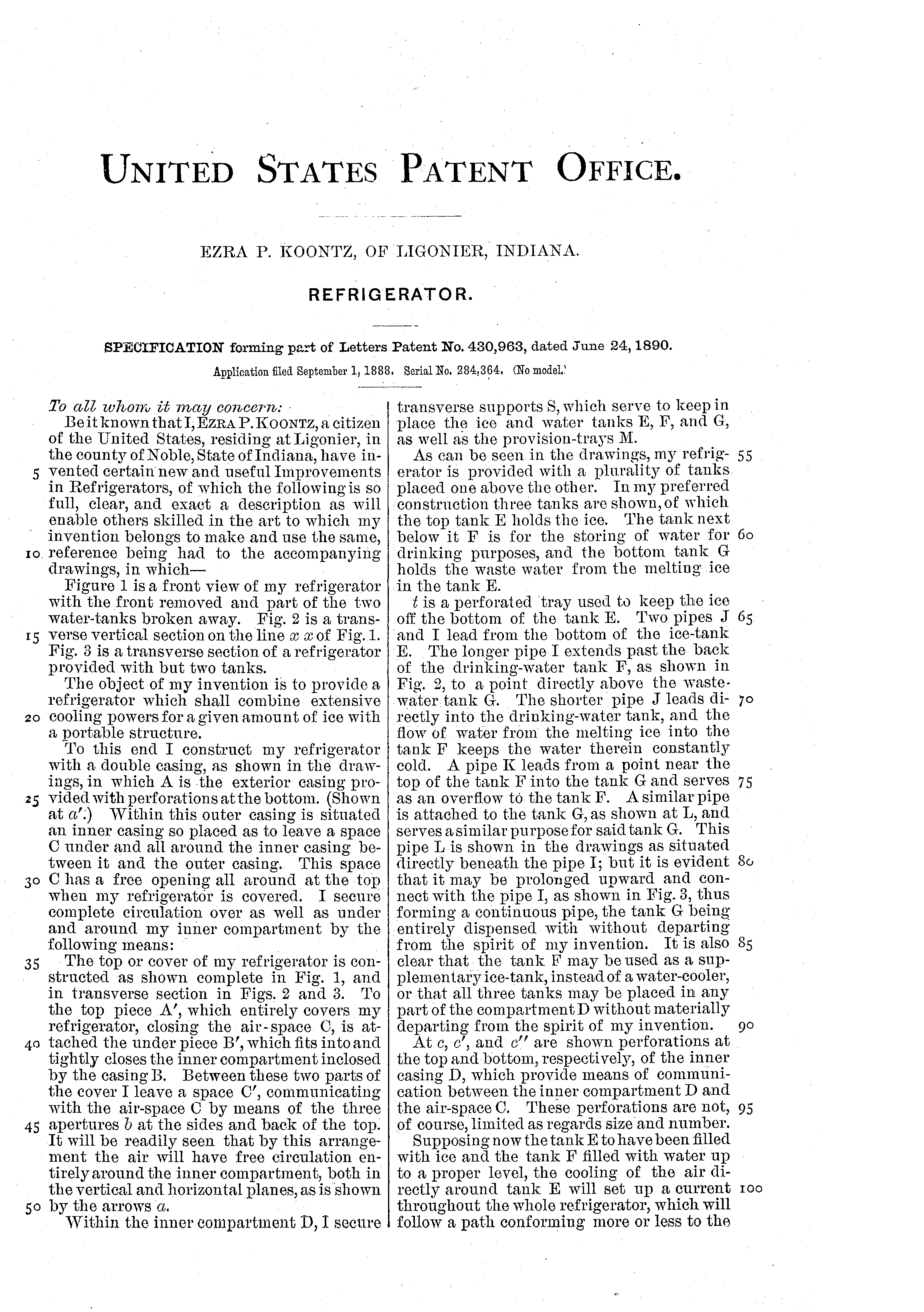
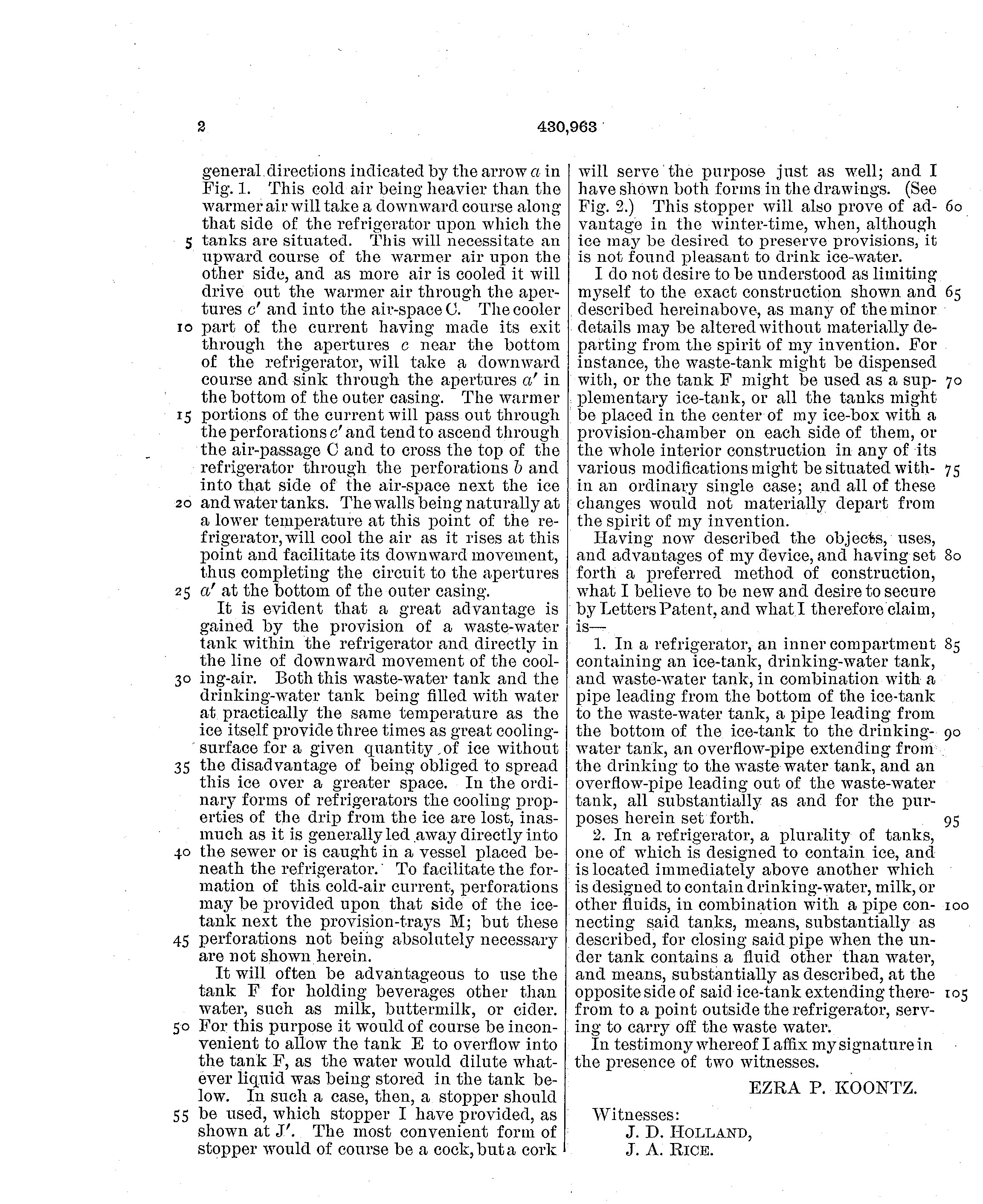
Well, back at the patent office, I noticed that Great-Great Grandfather, Ezra P Koontz,

must not have been satisfied with the refrigeration unit for which he took out a patent in 1880, since he took out another in 1890

Frigidaire apparently was not the only one to come up with new, better models. See post on August 16, 2021, for the 1880 patent.

Posted in Koontz | Leave a comment

Great Great Grandfather Koontz did get off his rocker…

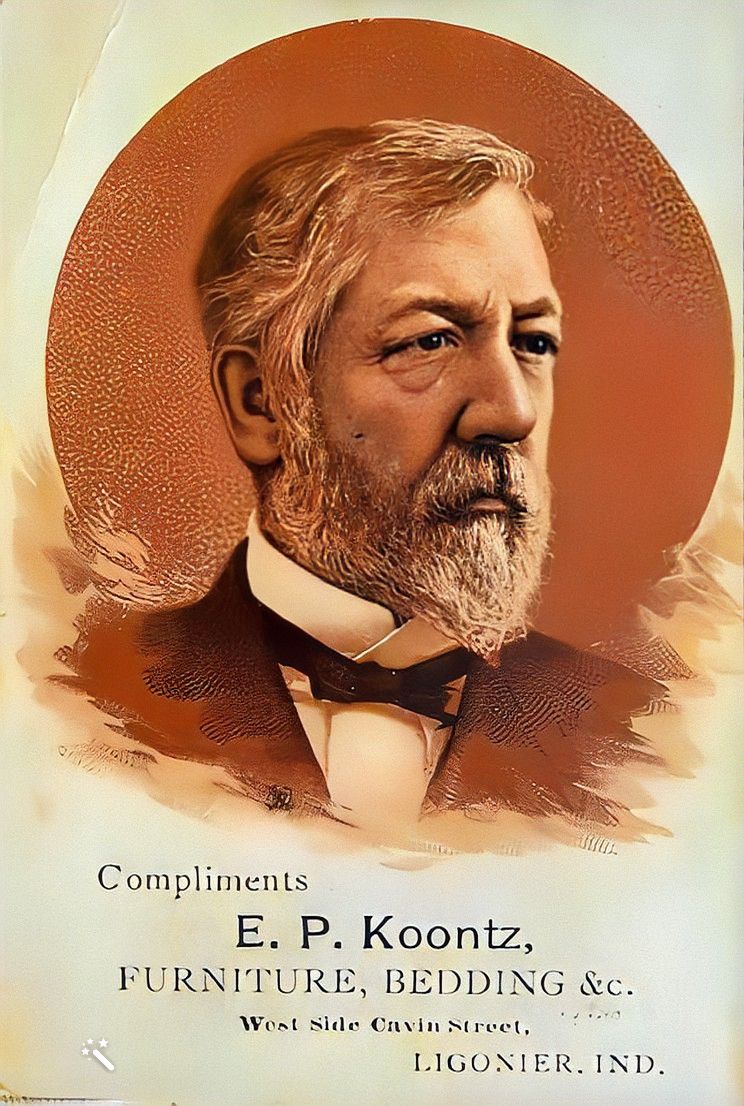
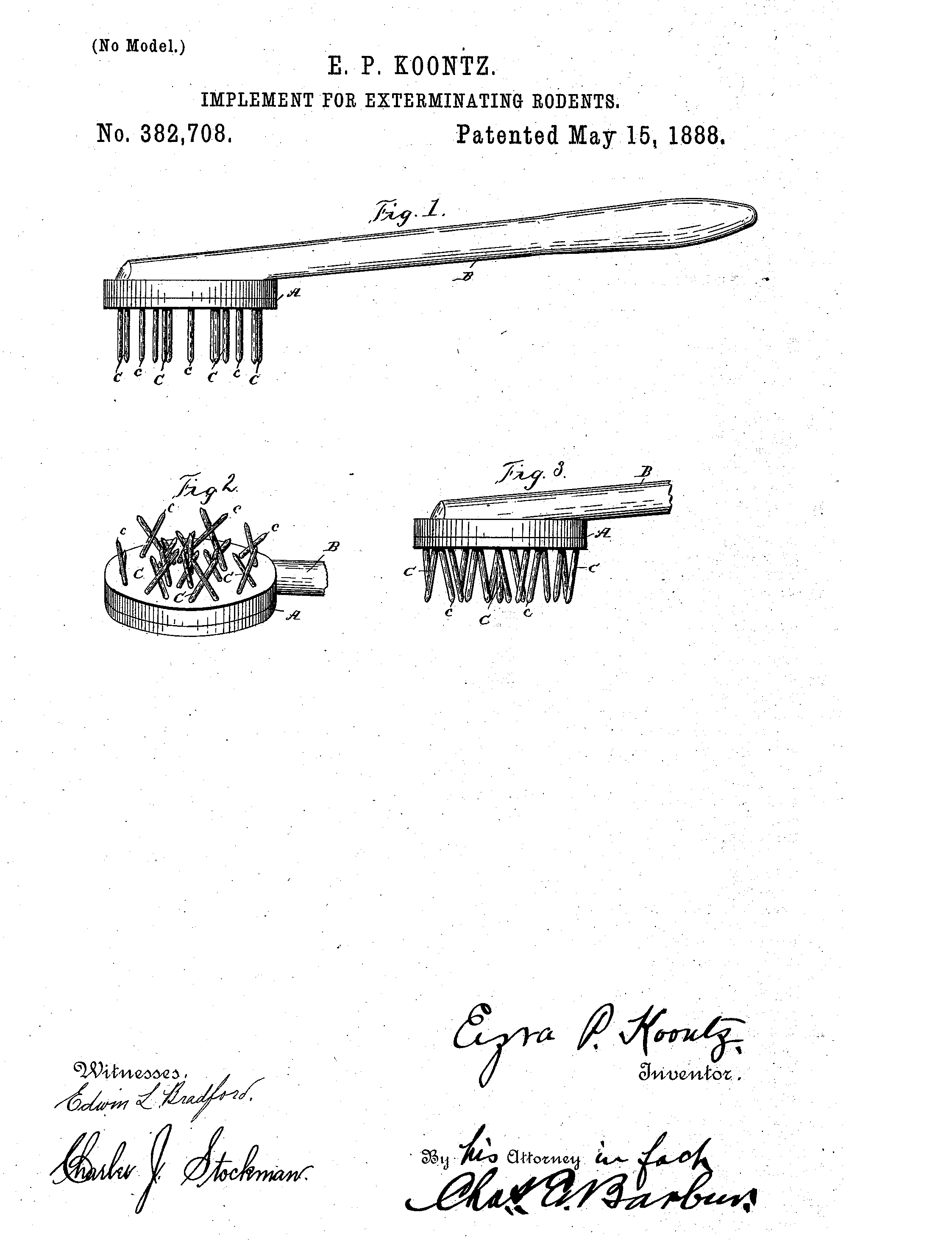
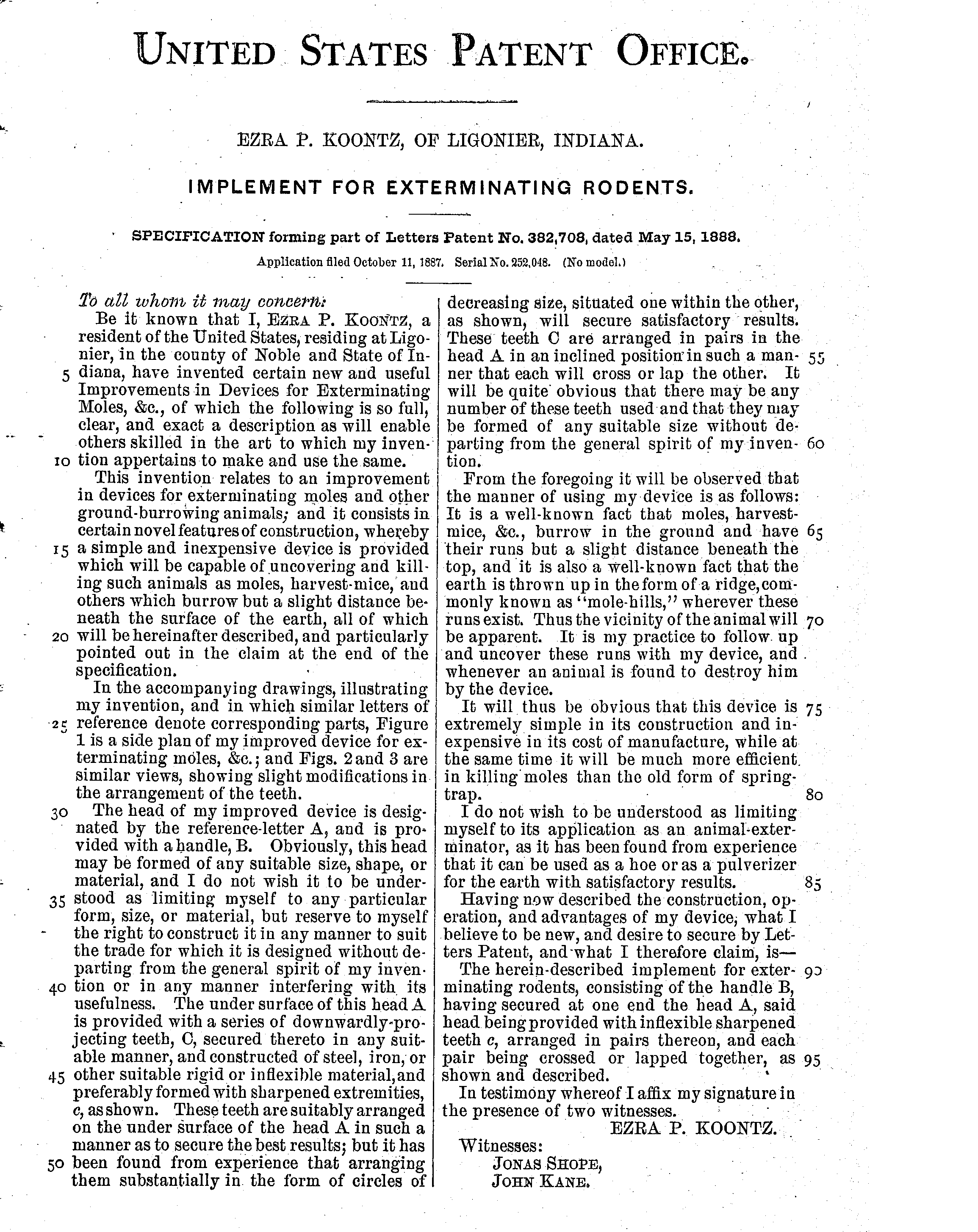
Ezra Peter Koontz, my great-great grandfather, did more that patent a rocking chair (see prior post). As indicated in the above advertisement for his furniture and bedding store in Ligonier, Indiana, he was a cabinet maker by trade. Once in a while, it became necessary to address the practical needs of the times. So, on May 15, 1888, E. P. Koontz took out a patent for an implement for exterminating rodents:

Based on the drawings for this device, Grandfather Koontz had a real dislike for rodents of all kinds. One good whack and it would be a goner. In the text, it is called out to help eradicate moles. Was my great-great grandfather the true inventor of Whack-a-Mole? Where are the family royalties?

Posted in Ancestry, Genealogy | Tagged , | Leave a comment

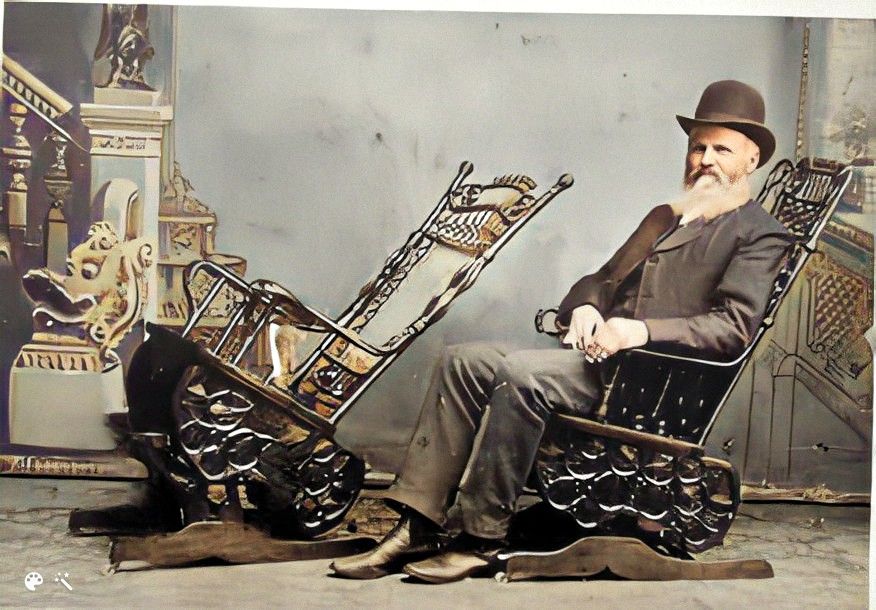
Ezra Peter Koontz

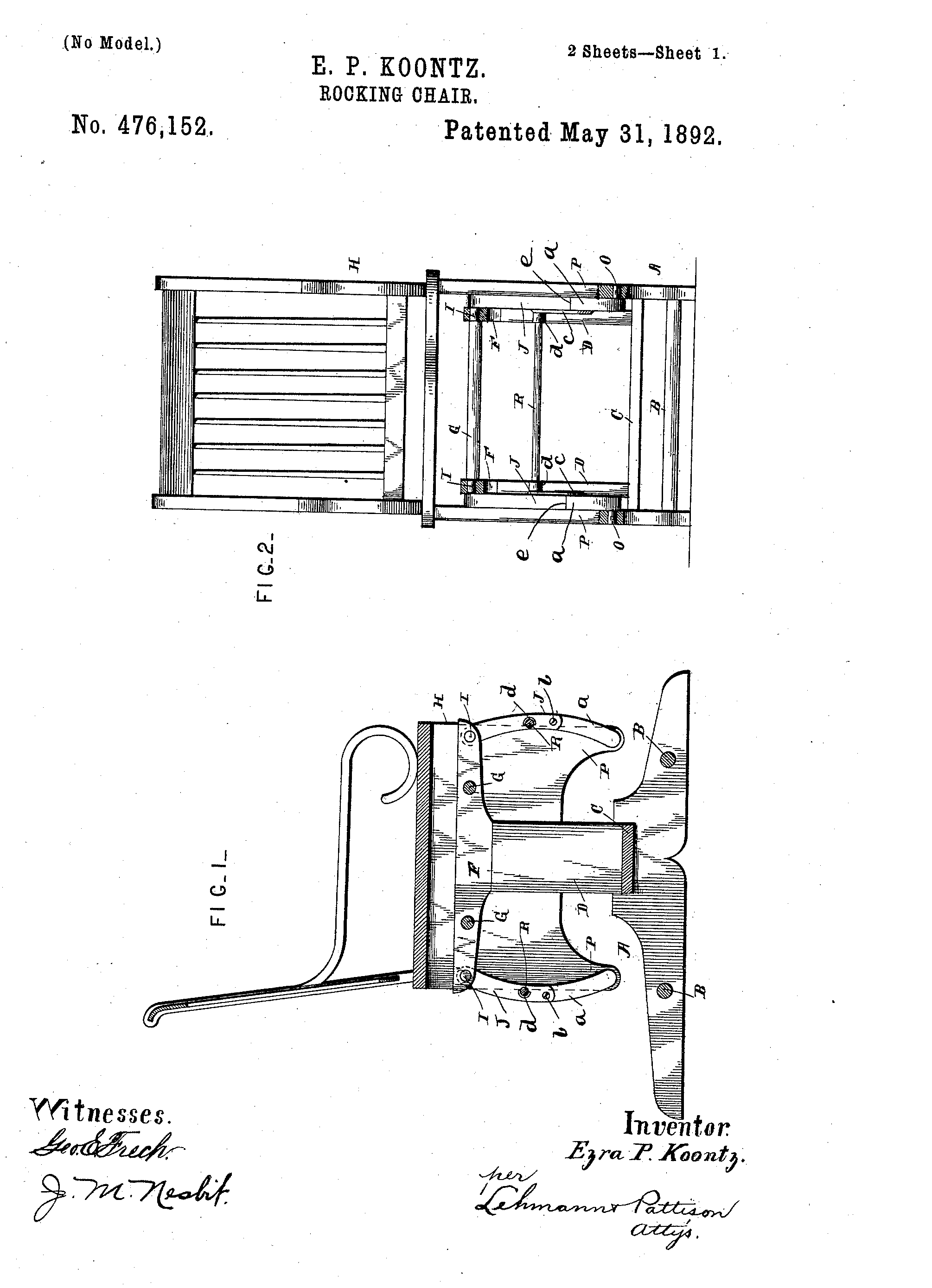
Not only did Great-great Grandfather Ezra Peter Koontz sit in a rocking chair, he invented one! Below are the drawings and patent document for that chair.

Posted in Uncategorized | Tagged , | Leave a comment

Gettin Me Some Education

After completion of Diahan Southerd’s mtDNA for Genealogy Course, I was hooked on getting a better understanding of the areas in which I appear to be most interested. Therefore, I have set up a study program using the following texts:

  • Mastering Genealogical Proof – Thomas W Jones
  • Mastering Genealogicial Documentation – Thomas W Jones
  • Genealogy and the Law – Kay Haviland Freilich and William B Freilich
  • Professional Genealogy – Various contributors, Elizabeth Shown Mills,ed.
  • Advanced Genetic Genealogy – Debbie Parker Wayne

Setting aside time to either learn something new or to reinforce what I have learned in the past is very fulfilling. I am learning why I do things that I just thought made sense and with the knowing the “why”, things make even more sense.

Unfortunately, or fortunately, as I learn some new tool or technique, I tend to want to put it to use to firm up my understanding. This has been the result of going through the text on Genetic Genealogy and having the concept of Genetic Triangulation explained as to what it is and how to use the results. Of course, this has also led to a new project of determining the meaning of the triangulations.

Just to keep those shiny objects in sight, Ancestry has just released new ethnicity estimates, MyHeritage is now offering full genome analysis, and 23andMe is back in business with a better business plan and new ethnicity and health reports. There is now annual subscriptions attached to the testing which was one of the problems in the prior incarnation – one just bought a kit and that was the end of the income for the company. Development in Genetic Genalogy is complex and expensive. So, I am re-upping on 23andMe with a new test kit and I am getting a new MyHeritage DNA kit since the full genome analysis will only be done on submissions going forward, not on previous tests. Luckily MH is having a sale and it is only $36 to get a new test kit.

Now, I need to close off and get going to Book Club where we are discussing Lineage by Karin Wulf. It was a slow read, but Karin gives a very in depth picture of how and why genealogy evolved in the 17th and 18th centuries. Coverage of social customs figure greatly as background.

Posted in Ancestry, DNA, mtDNA | Tagged , , , , , , | Leave a comment

UFOs are Real!!

Well, that is the title of a new presentation in the works. I have noticed that a number of my ancestral lines just start or just end. Some of my genealogy colleagues call this a brick wall. I, on the other hand, am speculating that they were either dropped as UFO babies or were just beamed up to a ship.

No, I am not serious, but I like to have fun in the creation of a presentation — and hope the fun is transferred on to my audience. If you are not having fun while doing your genealogy research, why are you doing it?

Anyway, today I am starting a specific search for my great-great-great grandfather who was apparently dropped from a space ship around 1812 in rural Pennsylvania:

Robert Allen, my GGG Grandfather, was born on 8 May 1812 in Pennsylvania. On 3 June 1834, he married Mary Miller, the daughter of Fredrick Miller and Mary Fausler Miller, in Stark County, Ohio.  By profession, Robert was a blacksmith.  The couple were the parents of nine (9) children:

  1. William H., born 22 December 1834, in Tuscarora County, Ohio
  2. Mary Ann, born 15 June 1836, in Stark County, Ohio
  3. Rebecca, born 24 August 1838, in Ohio
  4. Levi, born 20 August 1840, in Stark County, Ohio
  5. Mahala, born 4 March 1843, in Stark County, Ohio
  6. Haman, born 9 November 1845, in Stark County, Ohio
  7. David, born 26 August 1849, in Merkle, Huntington County, Indiana
  8. Alfred, born 8 November 1852, in Merkle, Huntington County, Indiana
  9. Eutera Elura, born 29 Aug 1856, in Merkle, Huntington County, Indiana

Robert died 11 March 1857, in Merle, Huntington County, Indiana.

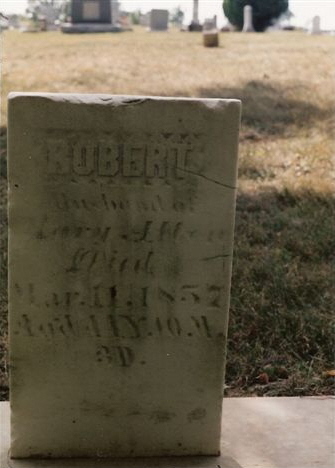
The only record of his date of birth appears to be an entry on Find a Grave that also, claims the following as his headstone:

Which reads Robert husband of Mary Allen Died Mar 11, 1857 Aged 44y.10m.3d

Date calculation of 44 years, 10 months and 3 days before March 11, 1857 provides the birth date of May 8, 1812.

The 1812 birth date is supported by the entry in the 1850 US Population Census which records the family in Huntington, Indiana, and head, Robert, a blacksmith, at age 38.

On 20 June 1854, Robert was appointed Postmaster in Markle. On 23 June 1855, Benjamin F Miley was appointed to the position. Since the listing appears to have a new Postmaster every year, there is nothing I am reading into Robert’s short tenure.

In the 1860 US Population Census, Mary is listed as the head of the household and widowed.

So, that still leaves me with finding proof of Robert’s Pennsylvania birth in 1812.

Posted in Uncategorized | Tagged , , , , , , , | Leave a comment

Still making progress on tracking mtDNA matches

I am making slow progress through Diahan Southard’s mtDNA for Genealogy Course. I have finally gotten to the point where I have identified the matches provided for my mitochodrial DNA and have filtered out that are not the best use of my time to delve deaper into possible connections. Thank you #YourDNAGuide #DiahanSouthard for making this process easy to understand and for the explanations of which of the matches I can filter out and which ones I should explore.

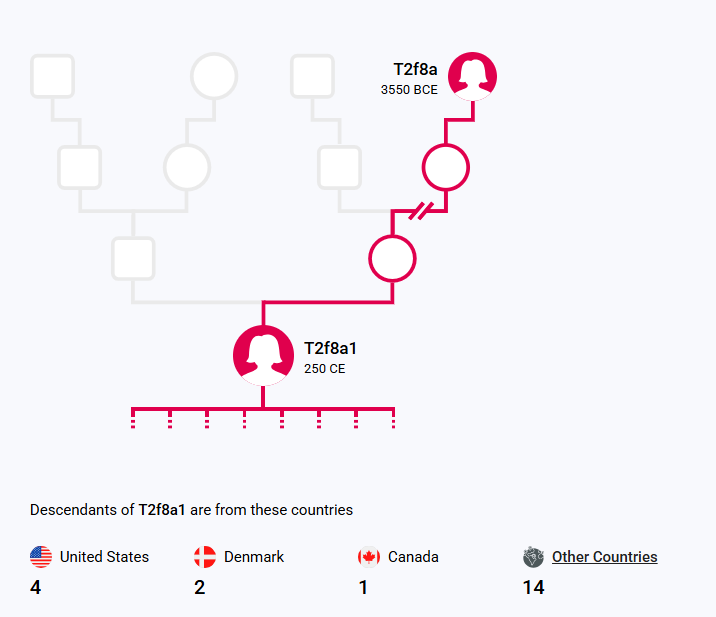
I find that I really have no comlete match. The farthest I can guarantee to find out Most Recent Common Ancestor is 200 CE. This is really a lot closer that the 3550 BCE that I can establish just by haplogroup T2f8a when the mitotree was ewxpanded and shifted me into T2f8a1. Now to hope someone tests and falls into the F1341220 haplotype. (cool dropping of DNA terms!).

But, I do have 8 matches to the T2f8a1 level that have posted family tree pedigree charts that go back more than one generation and are not all tagged PRIVATE!

I still have a bit more work in the class that will give me better insight on how to make use of the 8 matches I have isolated. At the same time, I am periodically checkng for new matches on my account – now that I have an idea of what to do with them.

Posted in Ancestry, DNA, mtDNA | Leave a comment

Falling even deeper ….

I am slowly, very slowly, working my way through Diahan Southard’s online class on mitochondrial DNA. Finally, through my own fault, I am in the midst of lesson 2. Diahan has given a “light bulb goes on” explanation of the haplogroup and its association with each mutation from the RSCS standard. My T2f8a1 haplogroup reflects the mutations within my maternal line over time and locations. Each of my mutations is part of the reasons I appear on a separate branch of the tree.

  • T – c 13,000 BCE
  • T2 – c 9350 BCE
  • T2f – c 4000 BCE
  • T2f8 – c 3750 BCE
  • T2f8a – c 3550 BCE
  • T2f8a1 – c 250 CE

These mutations all appear to have taken place in Europe, with the exception of T which is thought to have originated in Egypt.

With a better understanding of the meaning behind this tool, I am looking forward to undstanding the use, if any, in trying to expand my pedigree beyond ggggm, Phebe Curry, who is a dead end.

Posted in DNA, mtDNA | Tagged , | Leave a comment

Help, I have fallen, and I am not ready to get up…

Into a rabbit hole, that is. I have been getting a slog of articles on DNA – mitochondrial DNA to be specific. These are being written by a number of my most respected authors – Roberta Estes (#RobertaEstes #DNAeXplained ), Katy Rowe-Schurwanz (#KatyRoweSchurwanz ), and Diahan Southard (#DiahanSouthard #YourDNAGuide ).

For the most part these articles all centered around the expanded aide offered by FamilyTreeDNA (familytreedna.com) on the mtDNA tests. AND, there is a recent expansion of the Haplotree which expanded my Haplogroup, T2f8a into a sub-clade T2f8a1 (still beta). Big whoop, right? Well, not really.

This analysis took T2f8a from having a potential Haplogroup match that does not meet up until 3550 BCE to T2f8a1 with a stake in the ground at 200 CE — that is a jump of 3370 years earlier! In addition, the new classification also assigned Haplotypes – a smaller classification that signifies a full match, no mutations, to a single haplogroup test result. These appear in the mapping of my matches. Unfortunately, Mom was right, I am unique with Haplotype F1341220. But now when I find a haplotype match, I can have a better clue of how far back I need to look to find that elusive MRCA.

Why am I devoting time to this? My great-great-grandmother, Phebe Curry (1802-1864) is one of my Brick Walls. She is also my furthest back known source of my mtDNA – direct mother to daughter line through the generations to Mom to me. I have tried to track down all of Phebe’s descendants that could possibly also carry the same mtDNA (wiping out all of the males and their descendants is helping to limit the scope).

There is so much information to absorb and try to figure out how to make use of it all. I have to admit doing this would have been a lot easier at 45, maybe 55, but at 75 it is a slow process.

I have started taking Diahan Southard’s class on mtDNA for Genealogists #yourdnaguide . So far, it is really helping fit the pieces together, but I am taking it slow and checking and double checking my understanding and relating it to my mtDNA results on FamilyTreeDNA(that being 75 thing). I just finished Lesson 1 (over a month, Diahan sent a congrats on finishing Lesson 1, now on to #2, which was a whole lot nicer than “so you finished it, what is taking so long?” that I deserved.

Posted in Ancestry, DNA, mtDNA | Tagged , , | Leave a comment

Update to the purge of excess paper …

It is true, the dumpster was filled with thousands of pages of paper records that I have digitized and I was very proud of the space I created in my office. Then I looked around and found I have a significant number of notebooks on my shelves. 67 to be exact.

I decided it was time to review the contents of those notebooks and make sure:

  1. I still needed to keep the information
  2. I did not also have the same information in another notebook
  3. I could find the information if I needed it.

So, being a bit-nerd at heart, I created a database that includes each of the notebooks and the major tabs that define what is in each. In the 67 notebooks, there are 621 tabbed topics.

I have set the database up to inquire into the topics with a wildcard query across all notebooks to answer the question – “Where did I put that?” I can now find the data that I, well as of today, felt was important enough to keep for future reference.

There are a number of the topic fields that I might go back and itemize the detail contents. Again, I am a bit-nerd, so I set the database as relational and can create all kinds of sub-groupings when the mood strikes.

Now back to finding the elusive, hiding, ancestral lines.

Posted in Genealogy | Leave a comment