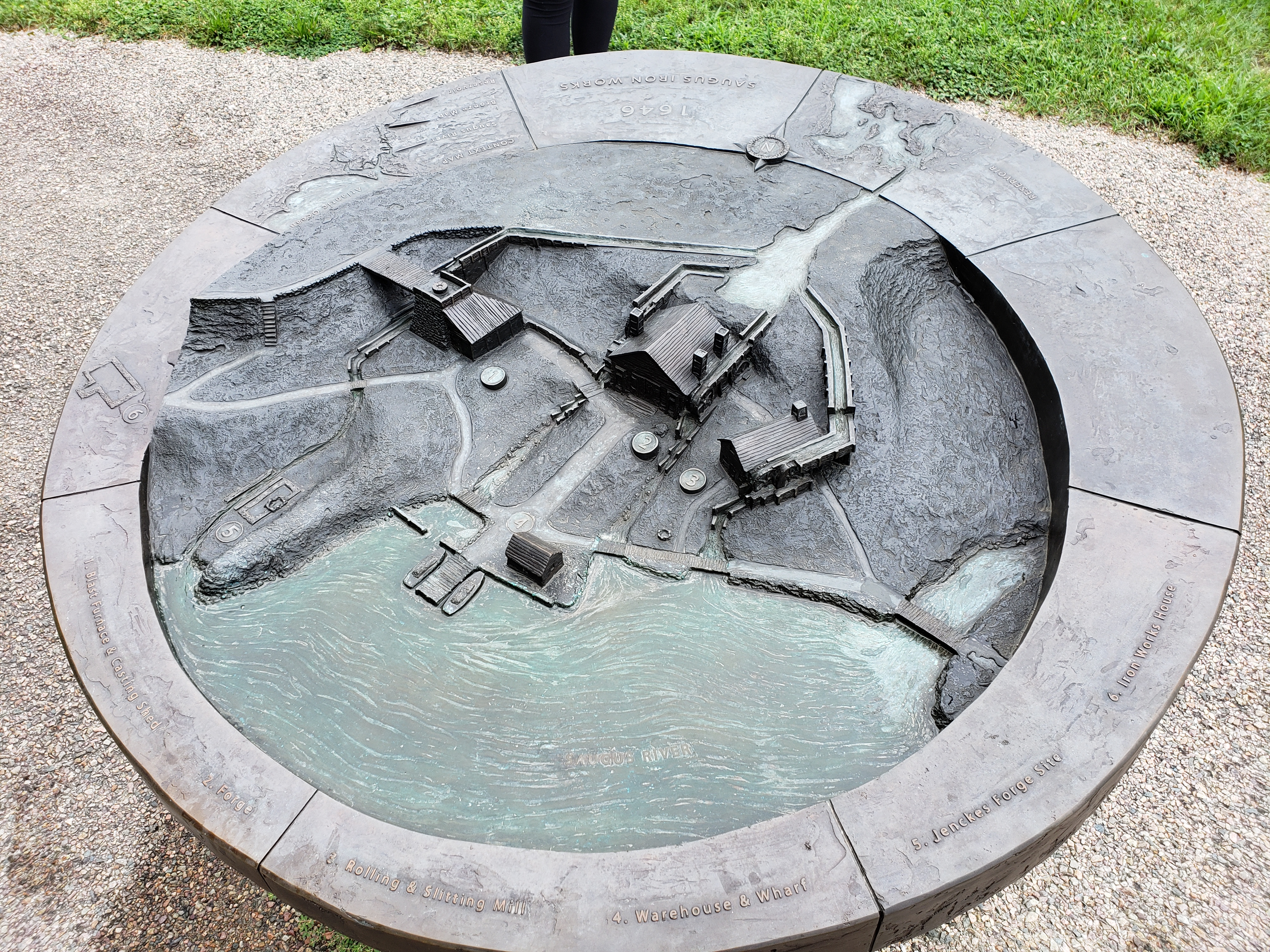
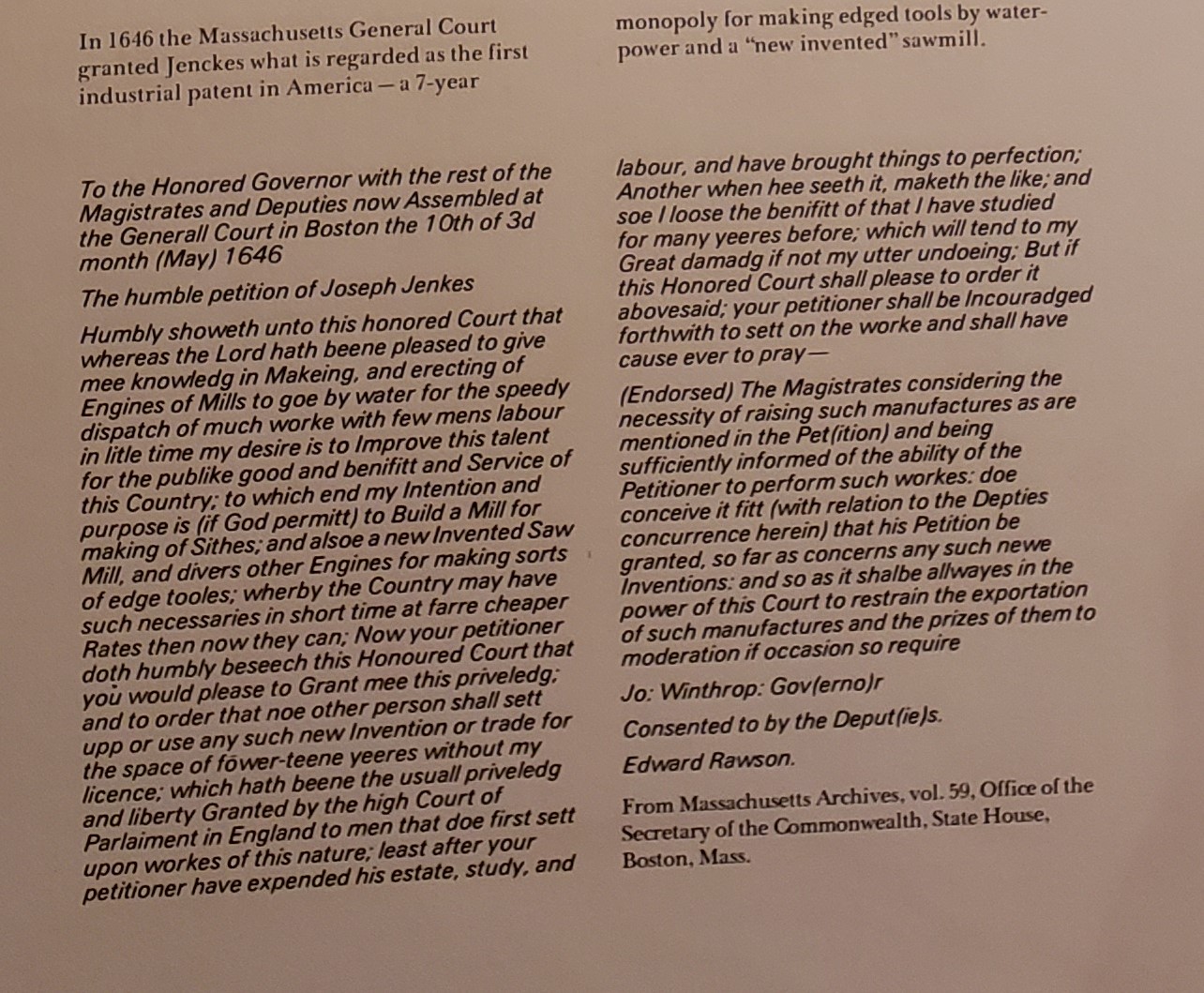
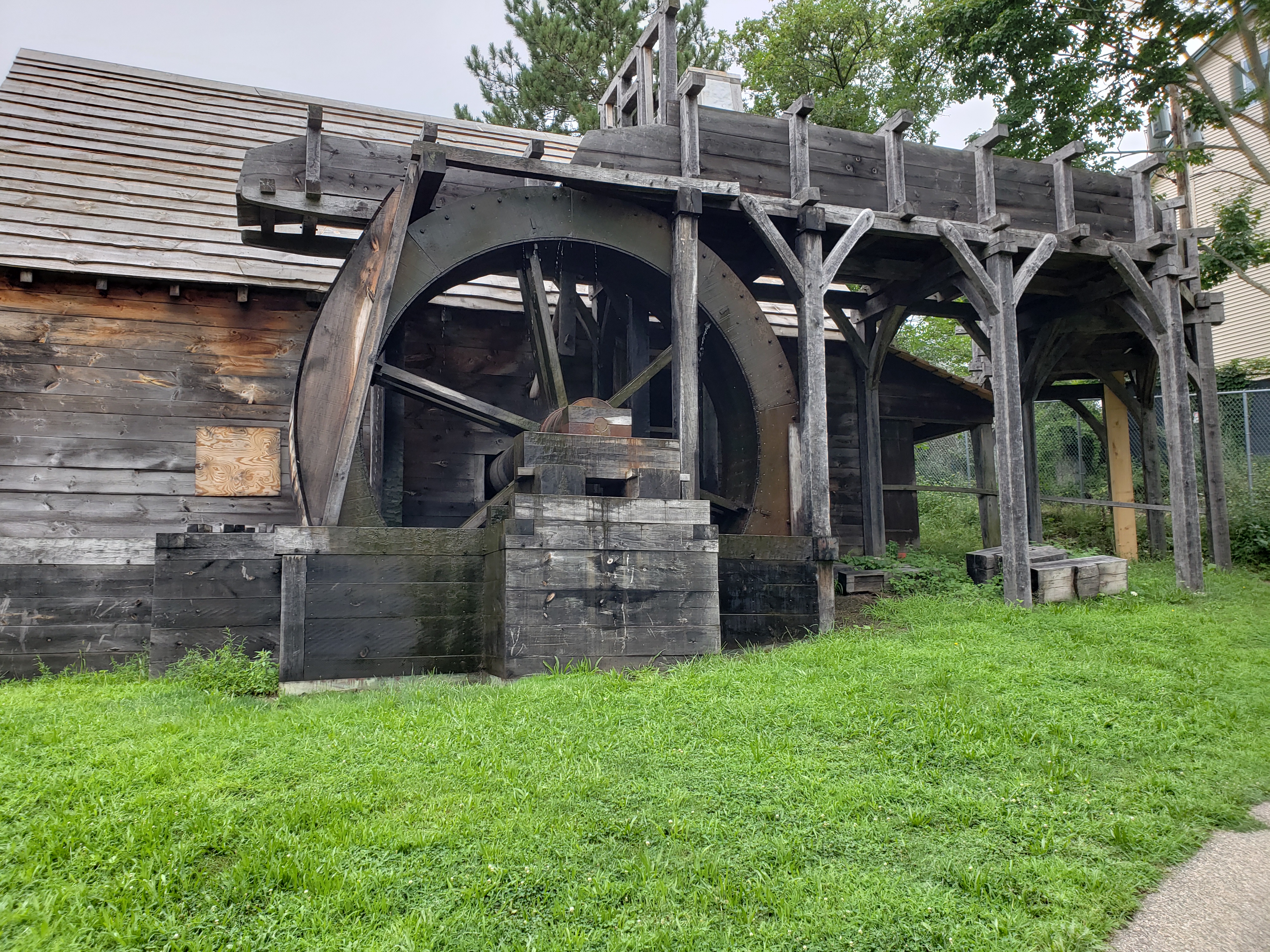
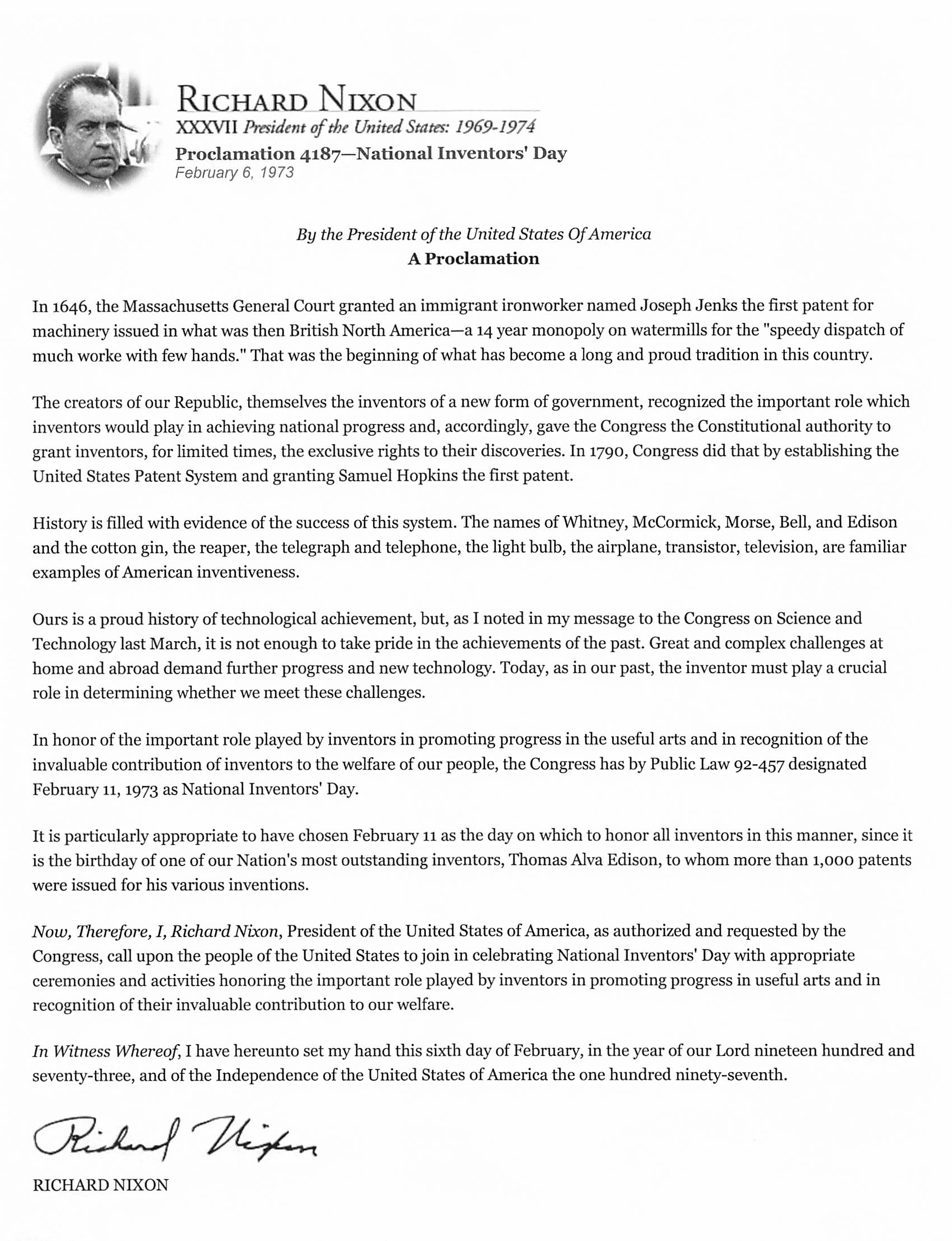
My 9th great grandfather, Joseph Jencks [Jenks], famed for his skill in working in brass and iron in England, and was brought to the Colonies by Governor Winthrop, the younger, to establish an iron works here in 1635. Specimens of the bog-iron, found in the swamps of Saugus, Massachusetts, had been taken to England and analyzed, and a company called the “Company of Undertakers for the Iron Works” formed to develop these natural resources. Joseph Jenks came to superintend the construction of buildings for the industry and became the first worker in iron and brass in the colonies. The iron works, under his competent tutelage, developed rapidly and supplied many of the domestic implements used by the neighboring settlers. He was an inventor as well as an expert craftsman, and made the molds and castings for many new tools and machines with his own hands. In 1646, he obtained a patent for an improved type of waterwheel. This was the first patent granted in this country.
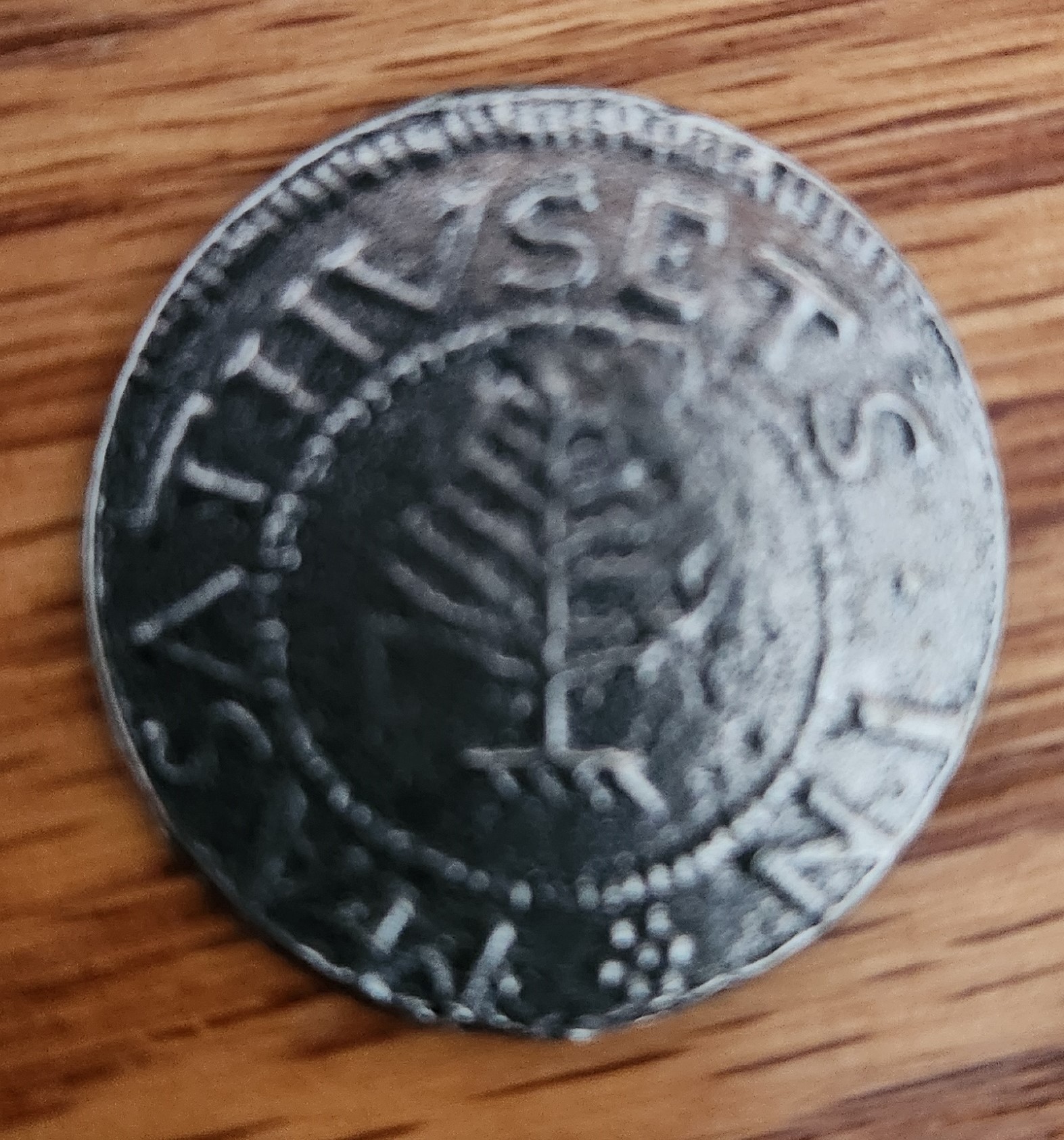
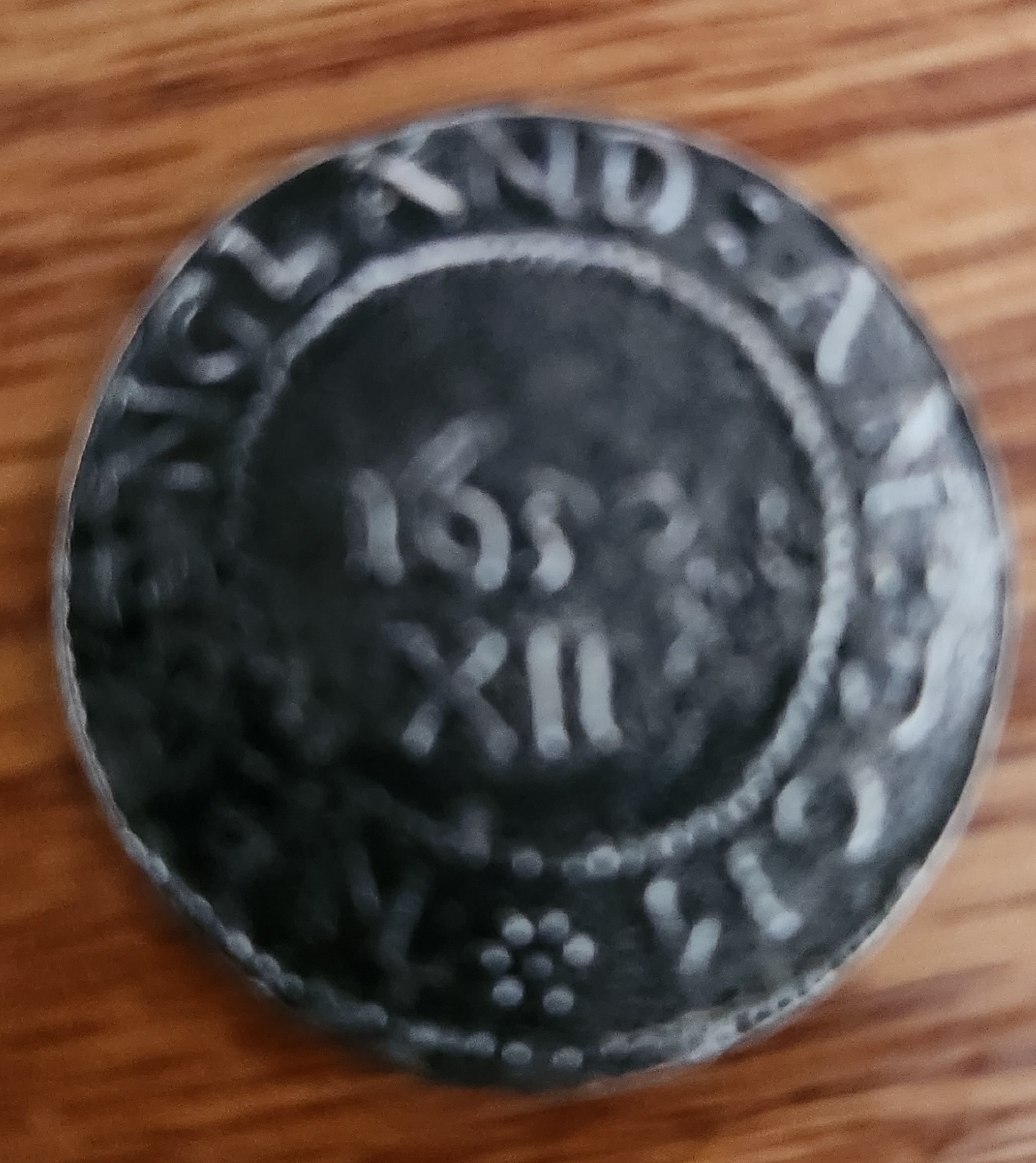
Five years after he had arrived in New England, he set up his own shop and forge near the iron works and started to specialize in the manufacture of scythes and other tools requiring a fine edge and temper. It was he who made the dies for the famous “Pine Tree” shillings.
While he had been making a success of the iron works in New England, his two sons Joseph and William, had been living with their grand-parents in England, for his wife had died. The older of these two boys, Joseph [my 8th great grandfather], who was born in 1632, in Colebrook, just outside of London, came to join his father in the new world in 1647. He worked in his father’s foundry inasmuch as he had a natural aptitude for the craft.
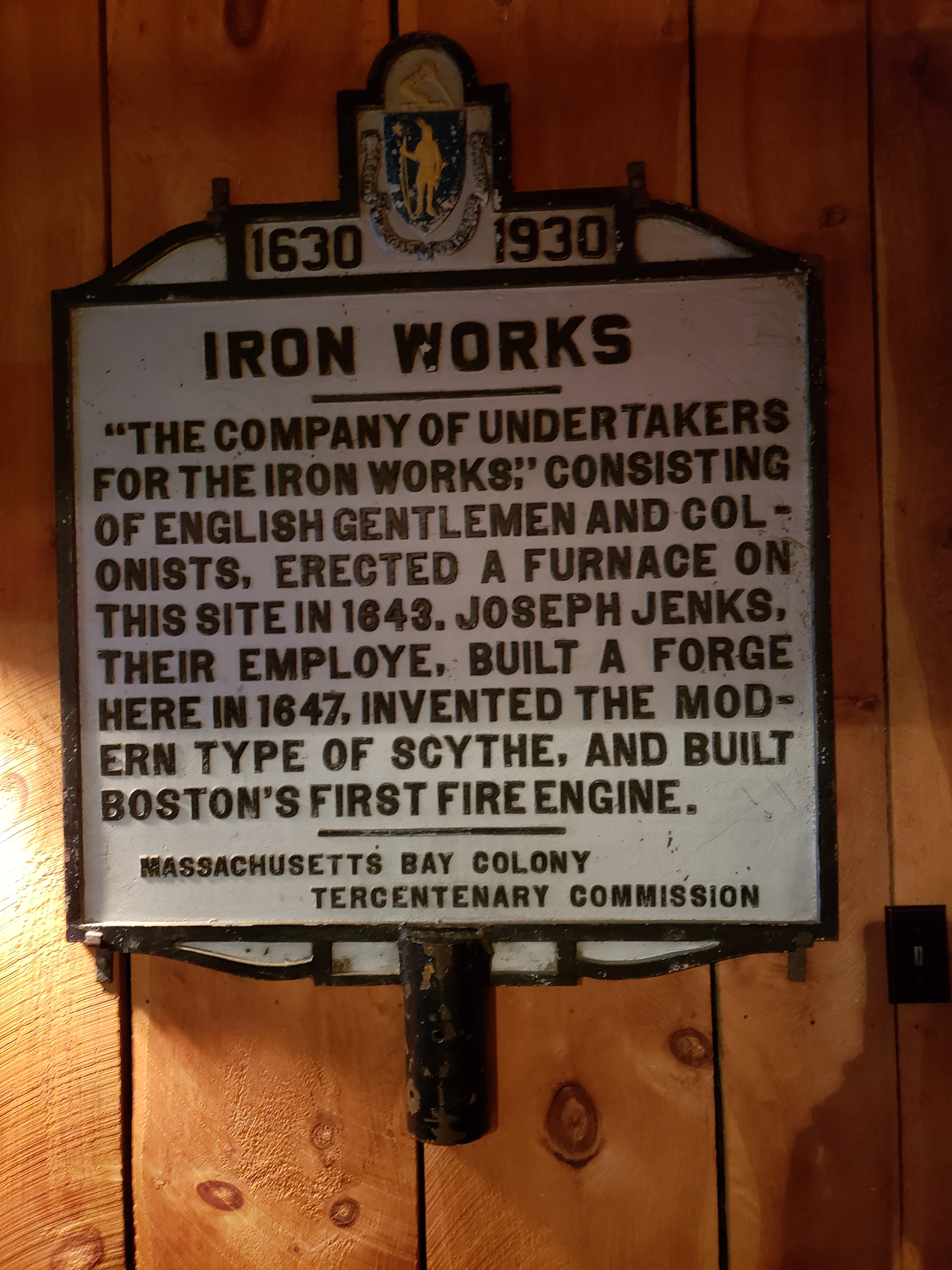
One of his achievements alone entitle Joseph, the elder, to fame, the invention of the Scythe. Before his day all the grain in the world was cut by the little hand sickle. No ironworker or farmer had thought of any quicker way. Why not make the blade straight and twice as long and swing it with a two handed handle? This was the question asked and answered by Joseph Jenks, simple enough perhaps, but since the first blade of wheat was grown no one had suggested such and idea before.
In about 1668, Joseph, the younger, married Esther Ballard, of Lynn, Massachusetts, and in the following year he went south to the Colony of Rhode Island taking his young family with him. Rumor is that Grandmother Esther Ballard Jenks was fond of wearing silver lace, the Puritans were not fond of anyone wearing silver lace. Grandmother was taken to court and fined for the sin of silver lace. The family moved to the more enlightened Rhode Island.
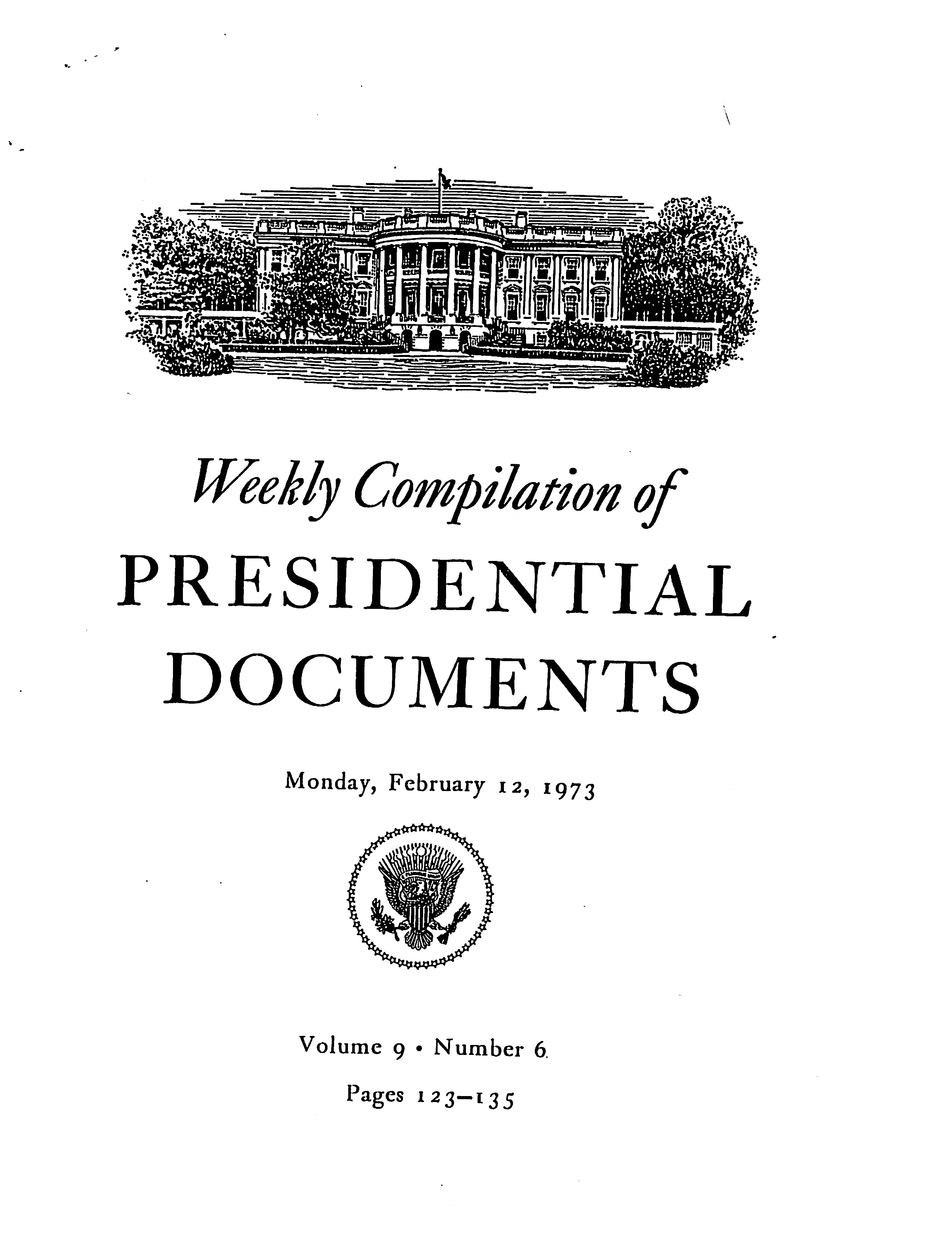
February 6, 1973, was declared National Inventors Day in a Presidential Proclamation



 A Tree Grew in Oakland